Common Causes Of Low Water Pressure In Homes
To fix low water pressure caused by common issues like clogs or leaks, local service providers can diagnose and repair the problem efficiently.
Many homeowners encounter low water pressure at some point, making everyday tasks like showering or washing dishes more frustrating. Understanding the common causes of low water pressure in homes can help property owners identify potential issues early and determine when professional assistance might be needed. Local contractors who specialize in water pressure repair can diagnose and address these underlying problems, ensuring consistent flow and reliable performance throughout the household.
Practical reasons behind low water pressure often include issues such as clogged pipes, mineral buildup, or problems with the main water supply. These concerns are especially relevant in areas where aging plumbing or hard water are common. By exploring the causes of low water pressure, property owners can better understand when to seek help from skilled service providers who offer expert repairs. Keeping water pressure steady not only improves daily convenience but also helps maintain the longevity of plumbing systems.
- Low water pressure repair - homeowners experiencing weak or inconsistent water flow may need this service, which local contractors approach by inspecting for blockages or leaks.
- Pipe repair or replacement - when corroded or damaged pipes cause low water pressure, local service providers evaluate the plumbing system and perform necessary repairs.
- Fixture and aerator cleaning or replacement - buildup or faulty fixtures can reduce water flow, and local pros typically clean or replace these components to restore pressure.
- Pressure regulator adjustment or repair - improper or failing pressure regulators can lead to low water pressure, and local experts often calibrate or replace them as needed.
- Water main leak detection and repair - leaks in the main water line can cause pressure drops, with local contractors using specialized tools to locate and fix the issue efficiently.
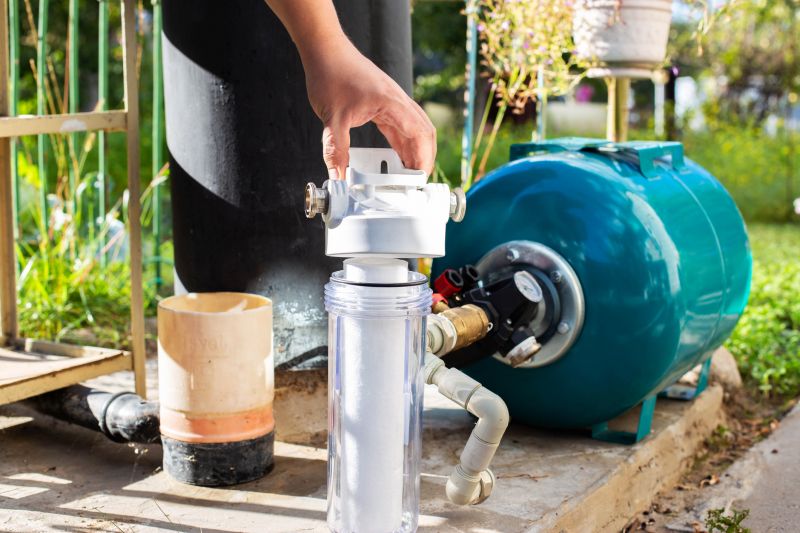
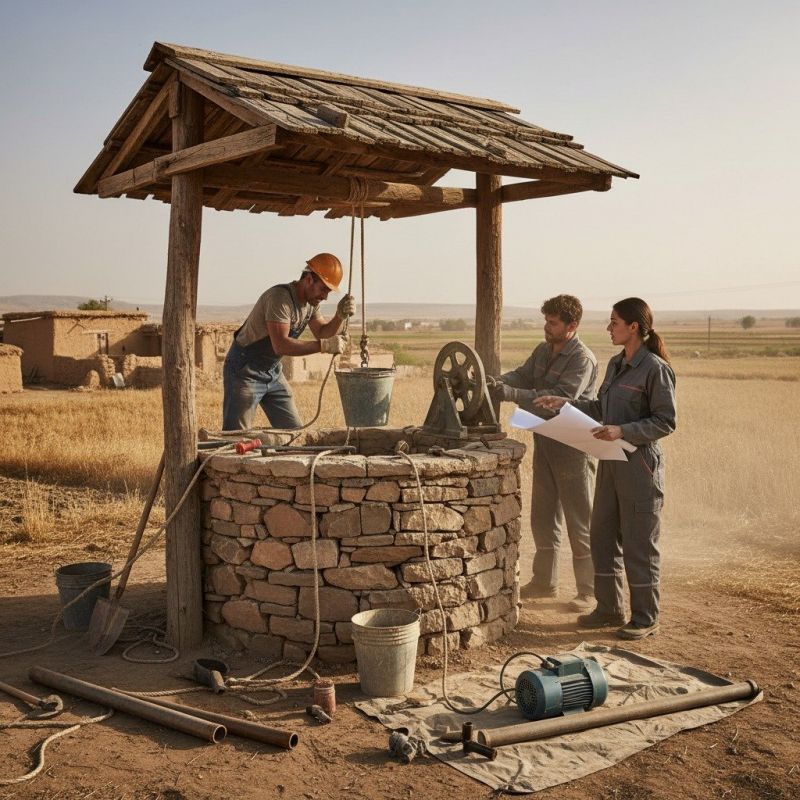
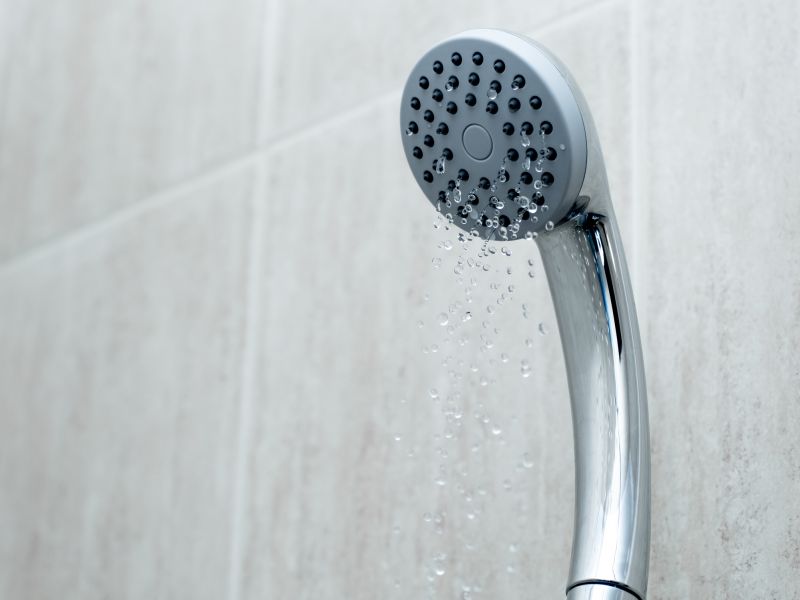
When homeowners search for information about low water pressure in their homes, they are usually trying to understand why their water flow has diminished or become inconsistent. This issue can affect daily activities such as showering, washing dishes, or watering the yard. People often associate low water pressure with aging plumbing systems, recent repairs, or changes in water usage patterns. Recognizing the root cause is essential for determining whether the problem is a simple fix or requires more extensive repairs. Local service providers who specialize in water pressure issues can assess the situation, identify the underlying cause, and recommend appropriate solutions to restore proper flow.
The common causes of low water pressure in homes are typically related to both internal plumbing components and external factors. Internal causes may include clogged or corroded pipes, faulty pressure regulators, or buildup of mineral deposits that restrict water flow. External causes could involve issues with the municipal water supply, such as pressure drops during peak usage times, or problems with the main water line serving the property. Plumbing systems that have experienced recent repairs or modifications might also develop pressure problems if connections are not properly sealed or if debris has entered the pipes. Understanding these causes helps homeowners recognize whether the problem is localized or part of a broader system issue that requires professional attention.
Low water pressure can occur in various types of properties, from older single-family homes to newer multi-unit complexes. Older homes, especially those built before modern plumbing standards, are more susceptible to internal pipe corrosion and mineral buildup, which can significantly reduce water flow. Apartment buildings and condominiums may experience pressure issues due to shared water lines or inadequate pressure regulation across multiple units. Commercial properties, such as restaurants or small businesses, might also face low pressure caused by high water demand or outdated infrastructure. In all cases, local contractors experienced in water pressure repair can diagnose whether the problem stems from internal plumbing, external supply issues, or a combination of factors, providing tailored solutions for each property type.
Identifying the common causes of low water pressure in homes is a crucial step toward effective repair and restoration. Homeowners should be aware that issues like internal pipe blockages, faulty pressure regulators, or external supply problems are often the culprits. These problems can usually be addressed by experienced local service providers who have the tools and expertise to pinpoint the exact source. Whether it involves clearing clogged pipes, replacing a pressure regulator, or fixing a leak in the main water line, professional assistance ensures that the root cause is properly resolved. Connecting with trusted local contractors can help homeowners restore normal water flow and prevent future pressure issues, ensuring reliable water service for everyday needs.
Plumbing Fixture Replacement - replacing faucets, showerheads, and valves requires similar skills in diagnosing water flow issues and working with plumbing components affected by low water pressure.
Pipe Insulation and Repair - identifying and fixing pipe leaks or blockages involves planning and tools comparable to those used in addressing water pressure problems caused by pipe issues.
Water Heater Services - working on water heater installation and maintenance involves understanding water flow and pressure, making it relevant to resolving low water pressure concerns.
Leak Detection and Repair - locating hidden leaks within plumbing systems requires similar planning and tools used for diagnosing causes of low water pressure in homes.
Fixture and Valve Troubleshooting - diagnosing faulty valves or fixtures that restrict flow shares skills with identifying causes of low water pressure and restoring proper function.
Drain Cleaning and Clearing - clearing clogged drains involves techniques that are applicable when addressing blockages affecting overall water flow and pressure in household plumbing systems.
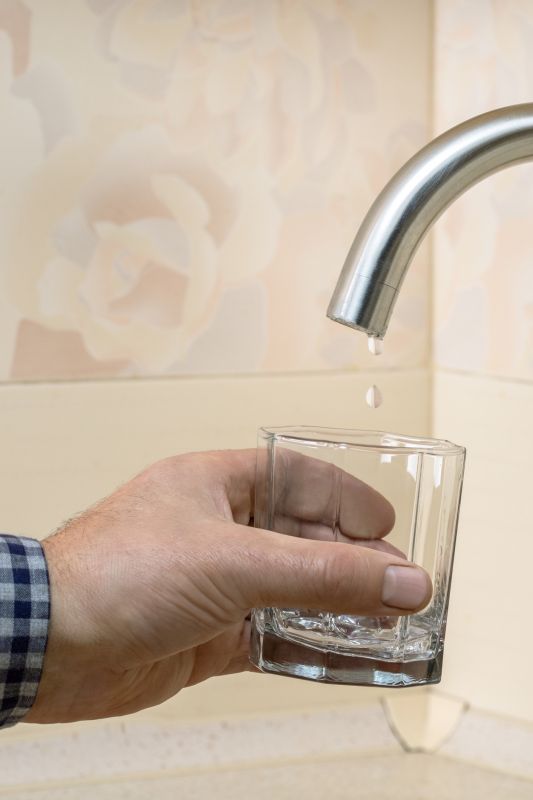
When comparing service providers for low water pressure repair, it’s important to consider their experience with similar projects. Homeowners should look for local contractors who have a proven track record of addressing common causes of low water pressure in homes. An experienced professional will have encountered a variety of issues, such as clogged pipes, faulty pressure regulators, or leaks, and can bring practical insight to diagnosing and resolving these problems efficiently. Choosing a provider with relevant experience can increase the likelihood of a successful repair and help prevent recurring issues down the line.
Clear communication and well-defined expectations are essential when selecting a service provider. Homeowners should seek out local pros who are transparent about their process, what the repair will entail, and any potential limitations. A reputable contractor will be willing to explain the possible causes of low water pressure and outline the steps needed to restore proper flow. This clarity helps ensure that homeowners understand what to expect and can make informed decisions about the repair process, reducing misunderstandings and building confidence in the service.
Reputable references and good communication are key factors in evaluating local contractors. Homeowners are encouraged to ask for references or reviews from previous clients who had similar issues. Reliable service providers will be able to provide examples of successful repairs and positive feedback. Additionally, good communication throughout the process-such as prompt responses to questions and timely updates-can make the experience smoother and more predictable. These qualities help homeowners feel confident that the chosen professional is capable of effectively diagnosing and fixing the common causes of low water pressure in homes.
Property owners often search for common causes of low water pressure in homes when they are planning practical projects around their homes and businesses. Local pros provide Low Water Pressure Repair services for everyday jobs and straightforward project options.
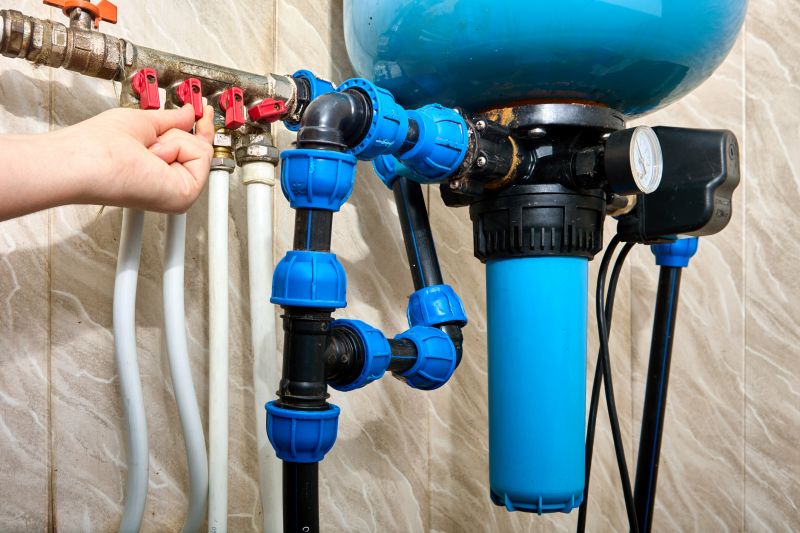
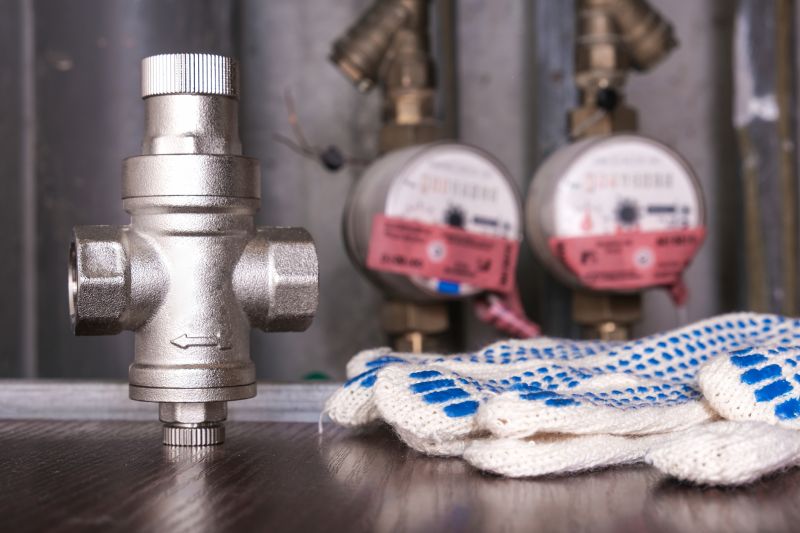
Many homeowners encounter low water pressure in their homes due to simple, everyday issues that can often be resolved without extensive effort. Common causes of low water pressure in homes include clogged or partially blocked fixtures, such as showerheads, faucets, or aerators, which can restrict water flow and lead to a noticeable decrease in pressure. Additionally, buildup of mineral deposits within pipes or fixtures, especially in areas with hard water, can impede water flow over time. Property owners experiencing these issues might consider seeking assistance from local contractors who specialize in water pressure repair to identify and address these common problems efficiently.
Other frequent reasons for low water pressure involve issues within the plumbing system itself, such as leaks or pipe corrosion, which can reduce overall water flow throughout the home. Sometimes, pressure-reducing valves or faulty pressure regulators may need adjustment or replacement to restore proper flow. When these common causes are suspected, property owners often look for local service providers experienced in low water pressure repair services. These professionals can diagnose the underlying issues and perform the necessary repairs to help restore consistent water pressure throughout the home.
What are common causes of low water pressure in homes? Low water pressure can result from issues such as clogged pipes, mineral buildup, or leaks within the plumbing system. Local contractors can assess and address these problems to restore proper flow.
How do mineral deposits affect water pressure? Mineral buildup inside pipes and fixtures can narrow water passages, reducing flow and causing low water pressure. Experienced service providers can remove these deposits to improve water flow.
Can a leak cause low water pressure? Yes, leaks in the plumbing system can decrease water pressure by allowing water to escape before reaching fixtures. Local pros can locate and repair leaks to restore normal pressure levels.
What role do clogged fixtures play in low water pressure? Clogged or partially blocked fixtures, such as showerheads or aerators, can restrict water flow. Service providers can clean or replace these fixtures to improve water pressure.
When should I consider professional low water pressure repair? If troubleshooting common causes doesn’t resolve low water pressure, contacting local contractors for a thorough inspection and repair is recommended to identify hidden issues and restore proper flow.
Clogged pipes - Identifying and clearing blockages in household plumbing can restore water flow, and local contractors can assist with pipe cleaning or replacement.
Leaking fixtures - Fixing dripping faucets or leaking valves can improve water pressure, with local service providers offering quick repairs.
Sediment buildup - Removing mineral deposits from aerators and showerheads can boost water flow, and local pros can perform thorough cleaning or system flushing.
Pressure regulator issues - Adjusting or replacing pressure regulators ensures consistent water pressure, with local contractors capable of handling these adjustments.
If you are thinking about common causes of low water pressure in homes for a property, this guide is meant to help you understand this topic, the typical project types, and how different options might fit your plans.
When you are ready, you can use the quote form on this page to share a few details about your project. From there, local pros can review the basics and follow up with options that match what you have in mind.